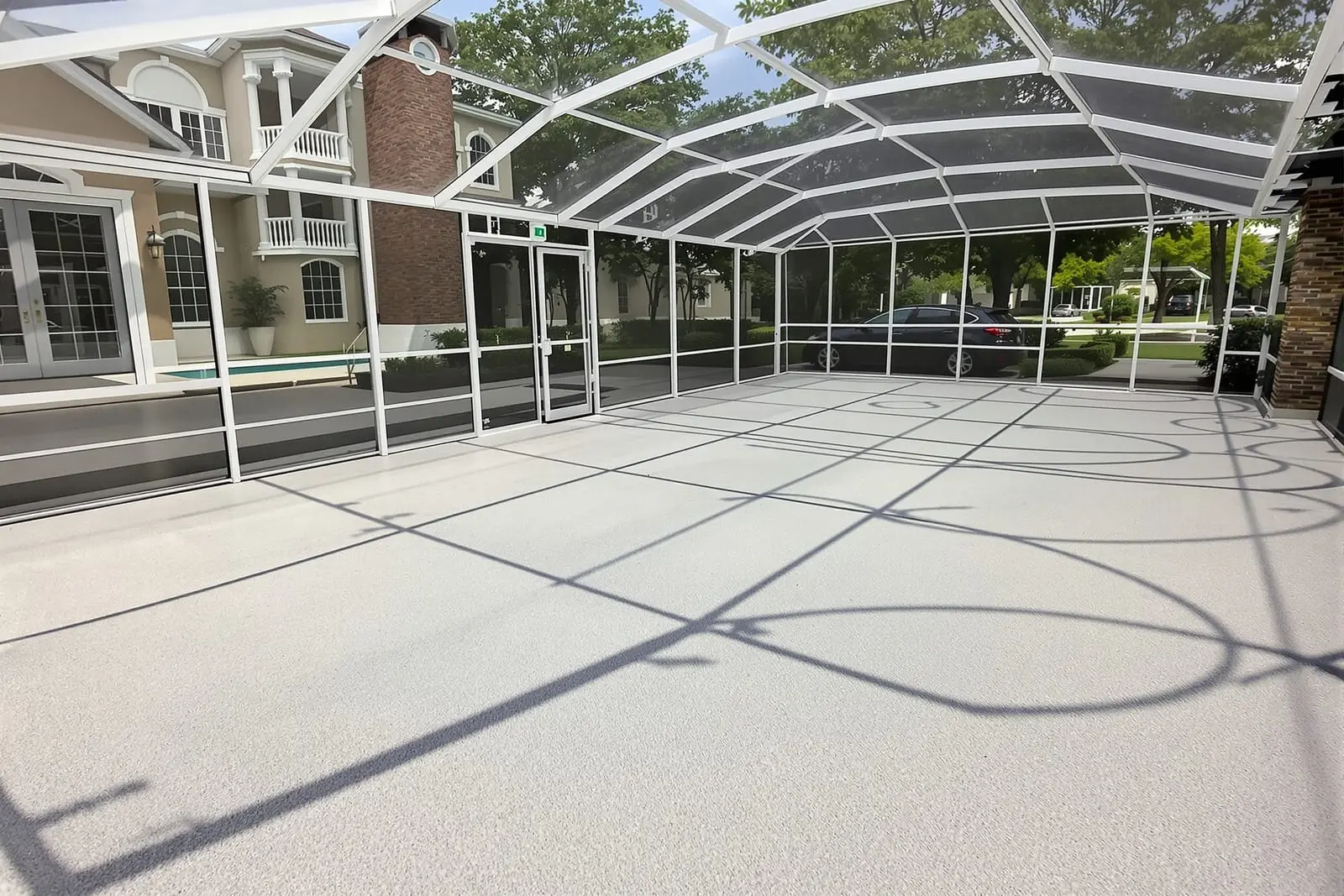
Refresh your outdoor space with pool cage rescreening in Bradenton, FL. We replace worn, torn, or discolored screen mesh on existing aluminum structures to improve appearance and performance. Enjoy clearer views, stronger panels, and renewed protection from bugs and debris.
Vista Screens Bradenton provides professional pool cage rescreening throughout Bradenton, FL and the surrounding area. Our licensed, insured crew delivers safe, clean, on-time work with a free estimate before anything begins. Call (941) 241-4937 or request your free quote.
Pool cage rescreening that fits Bradenton homes and weather
Pool cages in Bradenton take a beating from sun, salt air, and summer storms. Most screens here last 8 to 12 years before they start to sag, tear, or get brittle. Vista Screens Bradenton focuses on pool cage rescreening that matches how people actually use their lanais and pools in this area, from older ranch homes near 26th Street to newer builds east of I‑75.
When we talk about pool cage rescreening, we are not just swapping out fabric. We look at the full enclosure. That means checking the aluminum frame for loose fasteners, corroded screws, separated miter joints, and twisted door frames. On many 1990s and early 2000s pool cages around Bradenton, the original builder-grade screws have started to rust and stain the frame; if we see that, we quote replacement with stainless or ceramic coated fasteners while we are already up there.
Our goal is to leave you with a tight, clean screen surface that holds up through summer thunderstorms and the daily coastal breeze. Whether your cage wraps a canal-side pool on Palma Sola Bay or a compact lanai in a Bradenton subdivision, we match the rescreening plan to the size, height, and condition of your existing structure, not a one-size-fits-all template.
How the pool cage rescreening process works
Vista Screens Bradenton follows a step-by-step process so you know what will happen and how long it will take.
1. Inspection and measuring: We start with a walk-through of your pool cage. We look for ripped or bulging panels, door issues, rusted hardware, distorted beams, and loose kick plates. We measure each panel section, including any custom areas around roof tie-ins, irregular angles, or privacy walls. For older Bradenton homes, we pay close attention to how the cage connects to the house wall and gutter line, since many of those transitions were done differently in the 1980s and 1990s.
2. Proposal and material choice: After the inspection, we give you a written estimate that breaks down screen type, any recommended hardware upgrades, and separate line items for doors or structural repairs. You choose between standard insect screen, No‑See‑Um mesh for smaller bugs, or premium products that handle pets and golf ball impact better. We explain how each affects price and expected lifespan.
3. Site prep and protection: On installation day, we move furniture away from the cage, cover grills and outdoor kitchens, and protect pool surfaces where needed. If you have a travertine or paver deck, we use padded ladders and staging so we do not leave marks in the stone.
4. Removal of old screen: We remove the old spline and screen panel by panel. Any corroded spline channels are cleaned out so the new screen can seat firmly. If we see hidden issues such as cracked frame members or rotted wood where the cage bolts to the house, we stop and show you, then discuss options before moving forward.
5. Installation of new screen: We install new mesh using high quality spline sized for your specific aluminum groove. Each panel is pulled tight and checked from multiple angles to avoid sagging. Roof panels are installed in a specific sequence so tension is distributed evenly across the cage, which keeps panels from popping during high winds.
6. Final check and clean up: We do a walkthrough with you, check door operation, confirm that door closers and latches work, and trim any loose screen tails. All old screen and debris are removed from the site, and we check the pool for stray pieces before we leave.
Screen and hardware options for Bradenton pool cages
Not every pool cage in Bradenton needs the same mesh. Vista Screens Bradenton helps you pick materials based on how close you are to water, how much shade you get, and how you use your lanai.
Standard insect screen is the most common and cost-effective choice. It keeps out mosquitoes and lovebugs and is suitable for many inland neighborhoods. This is usually a 18x14 fiberglass mesh that balances airflow and bug control.
If your home is closer to the bay, a canal, or a pond, No‑See‑Um screen may make more sense. This tighter 20x20 or similar mesh is better at stopping tiny biting midges that are common near water. It slightly reduces airflow and light, but many Bradenton customers accept that trade-off for better bug control during humid evenings.
For families with pets or grandkids that lean on screens, we offer tear resistant and pet resistant meshes. These are thicker and more durable, ideal for cages that back up to golf course fairways or areas where stray tennis balls and toys are common. They cost more up front, but they often save money if you have repeated damage in the same areas.
Hardware choices matter too. If your existing screws are rusting and leaving brown streaks down the white frame, we can upgrade to stainless or specialty coated fasteners during rescreening. Door hardware can also be updated, including self-closing hinges (important for homes with small children), heavy-duty latches, and bug sweeps at the bottom of doors to stop ants and palmetto bugs.
We also talk about privacy options. In Bradenton subdivisions where lots are close together, we can use privacy or Florida glass screen along lower wall sections. This gives you a visual barrier at eye level while keeping the upper part of the cage open for light and airflow.
What affects pool cage rescreening cost in Bradenton
The price of pool cage rescreening is driven by more than just square footage. Vista Screens Bradenton walks you through the specific factors so you know why one estimate may differ from another.
Screen type is a major driver. Standard mesh materials are more affordable, while No‑See‑Um, pet resistant, or privacy screen panels increase the price because the material itself costs more and sometimes takes longer to install due to stiffness.
Cage size and height matter. A simple one-story lanai enclosure behind a villa in West Bradenton is faster to rescreen than a tall, two-story cage around a custom pool. Taller cages require more staging, larger ladders, and additional labor, which all affect the total.
Existing condition is another key factor. If the aluminum frame is straight and solid, rescreening is straightforward. If we find twisted door frames, sagging beams, or fasteners that have pulled out of the house wall, we may need to budget for repairs before installing new screen. It does not make sense to put brand-new mesh on a frame that cannot hold tension properly.
Access also plays a role. Some pool cages in older Bradenton neighborhoods have tight side yards, low overhead utility lines, or landscaping that limits ladder placement. When we need extra labor to move staging safely or carefully work around mature landscaping, that can add time and cost.
Finally, timing and weather can influence scheduling. During peak storm season, we receive many calls at once from homeowners who notice ripped panels after a strong line of thunderstorms. We still price the work fairly, but the schedule may be a bit longer. If you know your screen is brittle or over 10 years old, it can be smarter to plan a rescreen before storm season, when scheduling is easier.
When to rescreen and why to choose Vista Screens Bradenton
You do not have to wait for a major tear to consider pool cage rescreening. Common signs it is time include screens that look silver or chalky, screens that move a lot when the wind hits them, tiny staple sized holes along the frame edges, and seams at the roof panels that no longer line up straight. If you are sweeping up dead insects inside the lanai every morning, that is another sign the mesh is no longer sealing well.
Bradenton’s sun and humidity age fiberglass faster than many homeowners expect. If your cage has not been touched since you bought your home, check the original build year. If it is more than about a decade old, a rescreen and hardware refresh can tighten up the enclosure, improve the look of the pool area, and cut down on bugs.
Choosing Vista Screens Bradenton means you get a local crew that works on pool cages here every week, not a traveling storm contractor. We are familiar with the common enclosure styles built around Bradenton and Lakewood Ranch, and we know how local codes treat door hardware and barrier requirements when a pool is present. We are used to coordinating access with gated communities and HOA rules, and we keep noise and disruption in mind for close-lot neighborhoods.
During your estimate, we encourage you to point out anything that has bothered you about the cage: doors that never closed quite right, panels that always collected debris, or areas where you want more privacy. We can usually address those during the rescreening process with hardware changes or different mesh choices.
When the job is done, you should be able to sit under your pool cage in the evening with fewer bugs, a tighter and cleaner look, and the peace of mind that the screen and hardware are ready for the next storm season, not hanging on by a thread.
“
Professional pool cage rescreening, done right the first time, quality materials, honest pricing, and results that last.